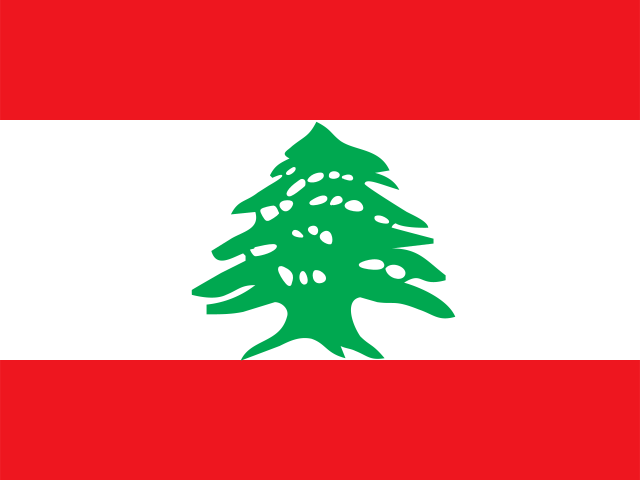
 Lebanon
Demografi
Lebanon: Demografi & Sosial
Populasi, kesehatan, pendidikan, dan urbanisasi.
- Ibu kota Beirut
- Populasi 5.849.421 (2025)
- Asia
Indikator demografi
5.849.421PopulasiTahun 2025
0,7%Pertumbuhan penduduk
567,5Kepadatan /km²
28,6Usia median
77,9Harapan hidup
15,3Mortalitas bayi /1.000
2,2Fertilitas (TFR)
92%Melek huruf
91%Urbanisasi
-3Migrasi neto /1.000
—Anggota rumah tangga
| Indikator | Nilai | Tahun | Sumber |
|---|---|---|---|
| Populasi | 5.849.421 | 2025 | World Bank |
| Pertumbuhan penduduk | 0,7% | 2025 | World Bank |
| Kepadatan | 567,5 | 2024 | World Bank |
| Usia median | 28,6 | 2024 | United Nations Department of Economic and Social Affairs |
| Harapan hidup | 77,9 | 2024 | World Bank |
| Mortalitas bayi | 15,3 | 2024 | World Bank |
| Fertilitas | 2,2 | 2024 | World Bank |
| Literasi | 92% | 2019 | UNESCO Institute for Statistics |
| Urbanisasi | 91% | 2025 | World Bank |
| Migrasi neto | -3 | 2024 | United Nations Department of Economic and Social Affairs |
| Rumah tangga | — | — | World Bank |
Definisi setiap indikator tersedia di glosarium. Kepadatan mengikuti World Bank: penduduk dibagi luas daratan, sedangkan luas wilayah di profil memakai luas total.
Sumber demografi
-
World Development IndicatorsWorld Bank · CC BY 4.0Kunjungi sumber
-
World Population Prospects 2024United Nations Department of Economic and Social Affairs · CC BY 3.0 IGOKunjungi sumber
-
UIS.StatUNESCO Institute for Statistics · CC BY-SA 3.0 IGOKunjungi sumber